On Tuesday we went over to Nottingham to visit a friend who is in hospital there after heart surgery. We were early so we dropped into Wollaton Hall and Deer Park for a look around as it seemed a long time since our last visit.
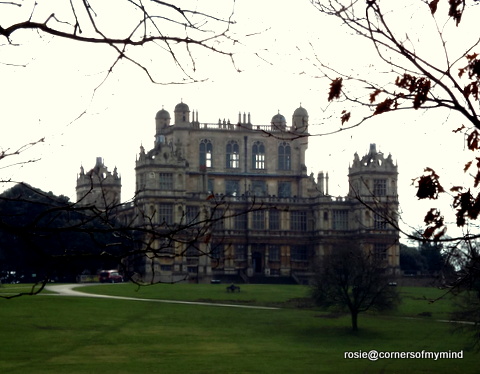
After looking inside the Hall where the Natural History Museum is housed and lunch in the coach house we wandered into the formal gardens drawn in by the sight of the glass house.

The Camellia House at Wollaton Hall in Nottingham is one of the earliest cast and wrought iron glass houses in the country.

It was built in the early 19th century c. 1823 for the Willougby family, owners of Wollaton Hall.

Until recently it was in a poor state of repair, the low pitched roof lights were so fragile they couldn't withstand the weight of heavy snow, or harsh gusts of wind. It was in such bad conditions that it was listed on English Heritage's 'Buildings at Risk' register.

To complete the repair and renovation of the Georgian Camellia House the restorers completely dismantled the structure when 6,500 panes of glass were removed.

The iron framework was cleaned to remove years of dirt and corrosion, the floors were lifted and underfloor heating ducts rebuilt using traditional methods.

It is all looking very splendid now

The camellias are looking well and happy in their new home.

The Camellia House was built with a special heating system which is no longer used as at the time the family were collecting Camellias it was thought that they needed heat but in fact they are quite hardy.

I'll show you what we found inside this wonderful building, completed in 1588 from designs by architects John Thorpe and Robert Smythson for Sir Francis Willougby, in my next post.